Don't miss our holiday offer - up to 50% OFF!
Silicone Breastplate Care: Ultimate Guide to Clean & Maintain Your Breastplate

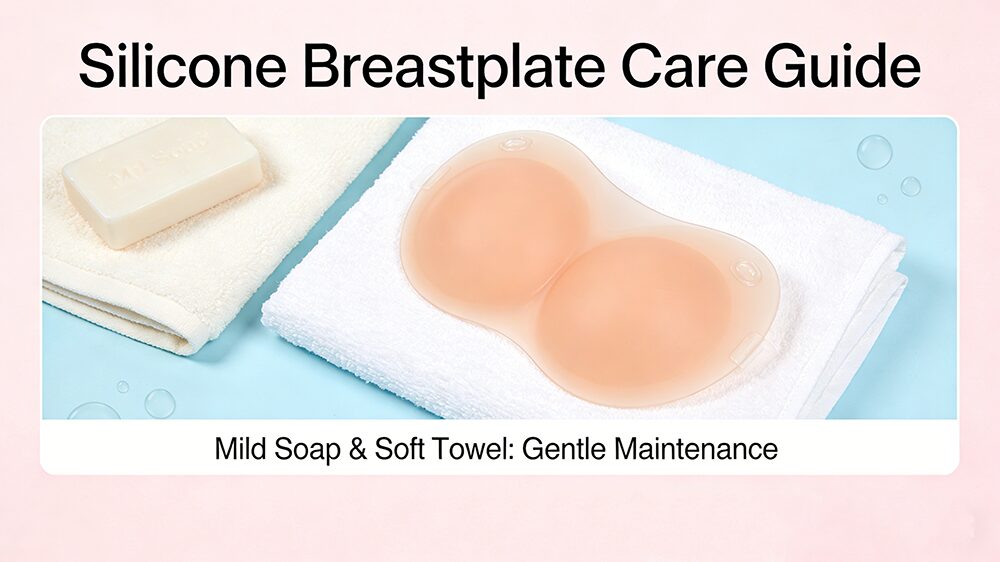
Proper silicone breastplate care is essential if you want your breastplate to last, stay soft, and maintain its realistic appearance. Many people accidentally damage their silicone breastplates by using the wrong cleaning products, harsh methods, or improper storage—leading to stiffening, tearing, or discoloration. In this ultimate guide to silicone breastplate care, we’ll walk you through the safe, correct way to clean, dry, store, and maintain your breastplate, so you can enjoy it for months (or even years) to come.
First, let’s understand why silicone breastplate care is so important. Silicone is a soft, delicate material that mimics human skin—so it requires gentle treatment to avoid damage. Harsh chemicals, hot water, rough scrubbing, or direct sunlight can break down the silicone, making it stiff, brittle, or discolored. By following these simple care steps, you’ll keep your breastplate looking and feeling like new.
Step 1: Understand Your Silicone Breastplate Material
Before you start cleaning, it’s important to know what type of silicone breastplate you have. Most modern silicone breastplates use medical-grade, skin-friendly silicone with a soft outer layer and either silicone or cotton filler. The cleaning method is similar for all types, but you’ll want to avoid any products that could damage the material.
Key Things to Note:
– Avoid hot water (above 30°C/86°F): Hot water can soften the silicone and cause it to lose its shape.
– Avoid harsh chemicals: Alcohol, bleach, strong detergents, or acetone can break down the silicone and cause discoloration.
– Avoid rough tools: Brushes, sponges, or scrubbers can scratch the surface of the silicone, making it look fake and worn.
Step-by-Step Silicone Breastplate Care: Cleaning Guide
Cleaning your silicone breastplate after each use is the most important part of silicone breastplate care. This removes sweat, oil, dirt, and bacteria, preventing irritation and damage. Follow these steps for safe, effective cleaning:
1. Prepare Your Cleaning Supplies: You’ll need mild soap (unscented, hypoallergenic is best), cool or lukewarm water (not hot), and a soft, clean towel. Avoid using any other cleaning products—mild soap and water are all you need.
2. Rinse the Breastplate: Hold the breastplate under cool or lukewarm water, gently rinsing the surface to remove any loose dirt or sweat. Make sure to rinse all areas, including the edges and the inside (if it’s removable).
3. Apply Mild Soap: Put a small amount of mild soap on your hands, and gently lather the surface of the breastplate. Use circular motions to clean the silicone—do not scrub hard, as this can scratch the surface.
4. Rinse Thoroughly: Rinse the breastplate again under cool or lukewarm water, making sure to remove all soap residue. Soap residue can cause stickiness, irritation, or discoloration over time, so it’s important to rinse well.
5. Pat Dry Gently: Lay the breastplate on a soft, clean towel, and pat it dry with another towel. Do not twist, wring, or rub the breastplate—this can damage the silicone and cause it to lose its shape.
6. Air Dry Completely: After patting dry, place the breastplate in a cool, shaded area to air dry completely. Do not use a hair dryer, heater, or direct sunlight to dry it—heat can damage the silicone.
Daily Silicone Breastplate Care Tips
In addition to cleaning after each use, there are a few daily care tips to keep your breastplate in great condition:
– Do Not Wear While Bathing or Swimming: Water (especially chlorinated or saltwater) can damage the silicone and cause the filler to absorb water, leading to mold or mildew. Remove your breastplate before bathing, showering, or swimming.
– Avoid Sharp Objects: Keep your breastplate away from sharp objects like nails, scissors, or jewelry—these can puncture or tear the silicone.
– Use Baby Powder to Prevent Stickiness: After cleaning and drying, apply a thin layer of baby powder to the surface of the breastplate. This keeps it smooth, non-sticky, and comfortable to wear.
– Avoid Direct Sunlight: Store your breastplate in a cool, shaded area—direct sunlight can fade the silicone and make it stiff.
– Replace When Needed: Even with proper silicone breastplate care, your breastplate will eventually wear out. Replace it when the material becomes stiff, discolored, or torn, or when it no longer fits comfortably.Silicone Breastplate Care: Storage Guide
Proper storage is another key part of silicone breastplate care. Storing your breastplate correctly will prevent damage, maintain its shape, and keep it clean. Here’s how to store it:
1. Clean and Dry First: Always clean and dry your breastplate completely before storing it—moisture can cause mold or mildew.
2. Use a Clean, Dry Container: Store your breastplate in a clean, dry container (like a plastic box or cloth bag) to protect it from dust, dirt, and damage. Avoid using airtight containers, as this can trap moisture.
3. Keep It Flat: Lay the breastplate flat in the container—do not fold or bend it, as this can cause creases or damage to the silicone.
4. Keep Away from Pets and Sharp Items: Store the container in a place where pets or children can’t reach it, and keep it away from sharp objects that could puncture the breastplate.
5. Avoid Extreme Temperatures: Do not store your breastplate in areas that are too hot or too cold—extreme temperatures can damage the silicone.
Common Silicone Breastplate Care Mistakes to Avoid
To help you keep your breastplate in great condition, here are some common mistakes to avoid:
– Using Harsh Cleaning Products: Alcohol, bleach, and strong detergents can break down the silicone—stick to mild soap and water.
– Scrubbing Too Hard: Rough scrubbing can scratch the silicone, making it look fake and worn. Always clean gently with your hands.
– Using Hot Water: Hot water can soften the silicone and cause it to lose its shape—use cool or lukewarm water instead.
– Storing Wet: Storing a wet breastplate can cause mold or mildew—always dry it completely first.
– Folding or Bending: Folding your breastplate can cause creases and damage—store it flat.
How to Fix Common Silicone Breastplate Issues
Even with proper silicone breastplate care, you may encounter some minor issues. Here’s how to fix them:
– Stickiness: If your breastplate becomes sticky, clean it with mild soap and water, dry it completely, and apply a thin layer of baby powder.
– Stiffness: If the silicone becomes stiff, it may be due to harsh cleaning or exposure to heat. Try cleaning it gently and storing it in a cool, shaded area—if it’s still stiff, it may be time to replace it.
– Small Tears: If your breastplate has a small tear, you can use a silicone repair kit (available online) to fix it—follow the instructions carefully. For larger tears, it’s best to replace the breastplate.
Final Thoughts on Silicone Breastplate Care
Proper silicone breastplate care is simple, but it’s essential for extending the life of your breastplate and keeping it soft, realistic, and comfortable. By following the cleaning, drying, and storage steps in this guide, you’ll be able to enjoy your breastplate for months to come.
Remember: your breastplate is an investment—taking care of it will save you money in the long run and ensure you always have a comfortable, natural-looking silhouette. For more tips on breastplate care, check out our Cotton Filler Breastplate Care Tips and Comfortable Breastplate Wear Guide. For additional resources on silicone care, you can reference external sites for more expert advice.