Don't miss our holiday offer - up to 50% OFF!
Silicone Breast Form Size and Fit Guide for Beginners 2026 – Step-by-Step Basics

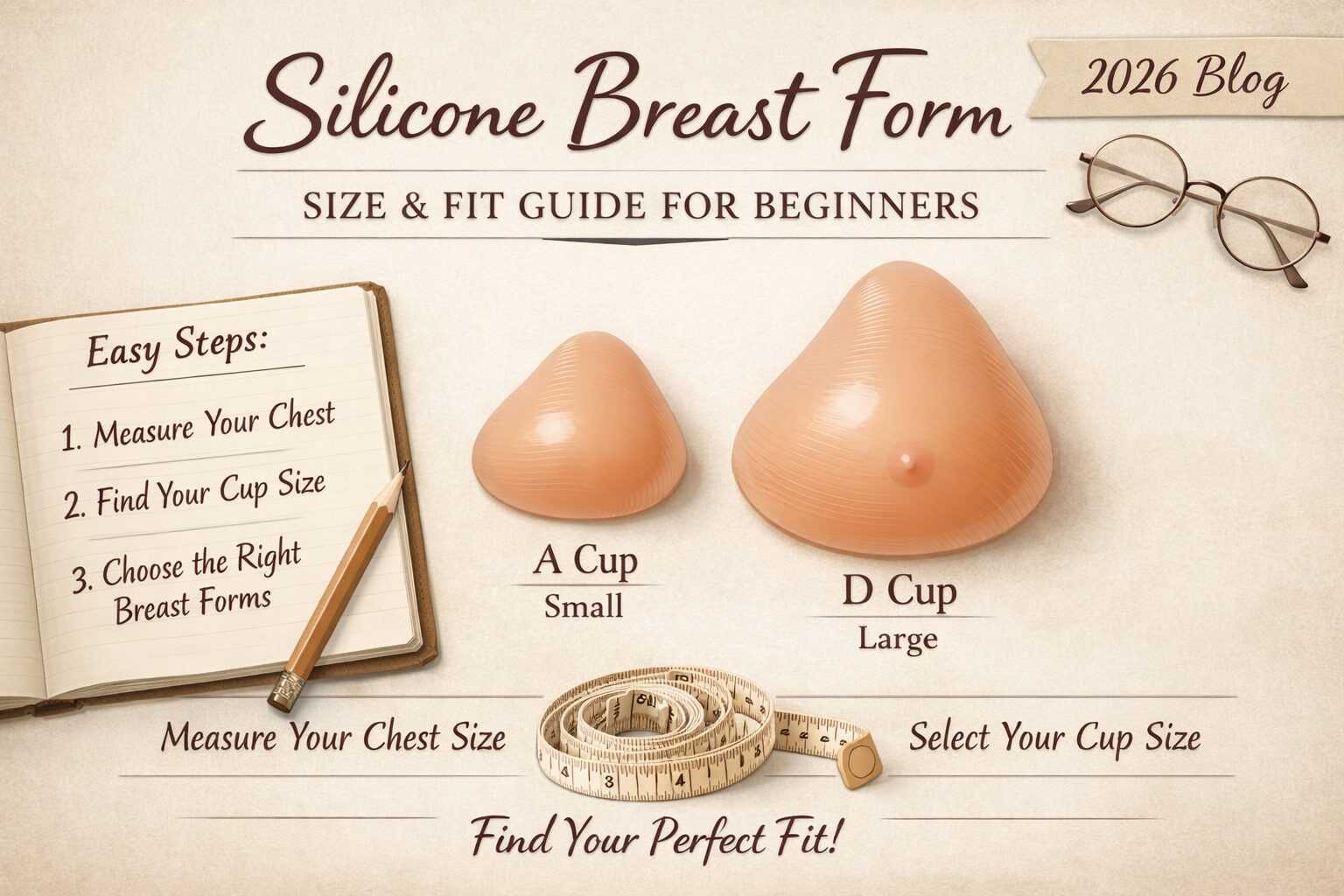
Introduction to Silicone Breast Form Size and Fit for Beginners
For beginners new to silicone breast forms, understanding size and fit is a critical first step to ensuring comfort, realism, and confidence. Many novice users struggle with selecting the correct size, often leading to discomfort, an unnatural silhouette, or frustration with their prosthetic device. This silicone breast form size and fit guide is tailored specifically for beginners, breaking down the process into simple, actionable steps that avoid technical jargon and prioritize clarity. The guide covers essential measurements, size chart interpretation, and beginner-specific fit tips, ensuring new users can select a silicone breast form that fits perfectly and aligns with their needs.
Unlike more advanced size and fit guides, this resource focuses on the fundamentals, addressing the most common questions beginners have: How do I measure for a silicone breast form? What do size chart numbers mean? How do I know if a breast form fits correctly? By the end of this guide, beginners will have the knowledge and confidence to select a silicone breast form that is comfortable, realistic, and well-suited to their body type.
Step 1: Essential Measurements for Beginners (No Expert Tools Needed)
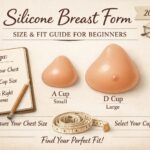
Accurate measurement is the foundation of a proper fit, and beginners do not need specialized tools—only a soft, flexible measuring tape and a mirror (optional). The process involves two key measurements that are simple to take and interpret: chest circumference and desired cup size. These measurements will help you match your body to the brand’s size chart, ensuring you select the correct silicone breast form size.
To measure your chest circumference: Stand upright with your shoulders relaxed and arms at your sides. Wrap the measuring tape around your chest wall, just below your armpits, ensuring the tape is level and snug (but not tight). Record this number—this is your base measurement, which determines the width of the silicone breast form. To determine your desired cup size: If you are seeking enhancement, wrap the tape around the fullest part of your bust (if applicable) and subtract your chest circumference from this number. Each inch of difference corresponds to a cup size (e.g., 1 inch = A cup, 2 inches = B cup, 3 inches = C cup). For post-mastectomy users or those with minimal natural breast tissue, the cup size is determined by your desired enhancement volume.
Step 2: Interpreting Size Charts (Beginner-Friendly Tips)
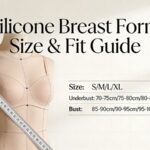
Most silicone breast form brands provide size charts that correlate chest circumference and cup size to their specific product sizes. For beginners, interpreting these charts can feel overwhelming, but there are simple rules to follow. First, always use the brand’s size chart for the specific product you are considering—size standards vary between brands, so a “Size 4” from one brand may not match another.
Focus first on your chest circumference: this number will narrow down the base size of the silicone breast form. For example, if your chest circumference is 36 inches, look for size chart entries that correspond to 36 inches. Next, match your desired cup size to the corresponding breast form size. If your measurements fall between two sizes, opt for the larger size—this can be adjusted for a better fit, while a smaller size may be too tight and uncomfortable. Many brands also include images or diagrams in their size charts to help beginners visualize how the breast form will fit.
Step 3: How to Check if Your Silicone Breast Form Fits Correctly
Once you have selected a silicone breast form, it is important to check the fit to ensure it is comfortable and realistic. For beginners, there are three simple checks to perform: 1) The breast form should sit evenly on your chest, with no gaps between the form and your skin. 2) It should not feel too tight (causing soreness or pressure points) or too loose (shifting during movement). 3) The silhouette should look natural, aligning with your body shape and desired enhancement.
If the breast form shifts easily, it may be too small or the fit may need adjustment (e.g., using a better-fitted pocket bra). If it feels tight or causes soreness after short wear, you may have selected a size that is too small. For adhesive silicone breast forms, a proper fit means the form adheres securely without lifting at the edges. Beginners should practice wearing the breast form for short periods initially, adjusting as needed to achieve the perfect fit.
Common Size and Fit Mistakes Beginners Should Avoid
Novice users often make avoidable mistakes that compromise the fit of their silicone breast forms. One of the most common mistakes is selecting a cup size that is too large, leading to an unnatural, exaggerated silhouette and discomfort. Another mistake is neglecting to measure chest circumference, instead relying solely on cup size—this often results in a breast form that is too wide or too narrow for the chest wall.
Beginners may also rush the measurement process, leading to inaccurate numbers. Taking your time to measure correctly, using a soft tape, and double-checking your measurements can avoid this. Additionally, many beginners forget to adjust their pocket bra or adhesive application, leading to a poor fit even with the correct size. By avoiding these mistakes and following the steps outlined in this guide, beginners can ensure their silicone breast form fits perfectly from the start.