Don't miss our holiday offer - up to 50% OFF!
Cotton Breast Forms for Crossdressers: My 5-Year Experience (Pros, Cons & Honest Truths)

Author: Alex Johnson | Flyingke Product Advisor & Crossdressing Community Member. 5+ years of testing and using breast forms (cotton, silicone, foam) for daily wear, events, and travel. Passionate about helping crossdressers find comfortable, affirming prosthetics.
Disclaimer: All opinions in this post are based on my personal 5-year experience using cotton breast forms, plus insights from 23 fellow crossdressers I interviewed for this guide. I work at Flyingke, where we design and test prosthetics for the crossdressing community—no sponsored content, just honest feedback.
Why I Started Using Cotton Breast Forms (And Why I Still Reach for Them)
Five years ago, I was new to crossdressing and overwhelmed by the options for breast forms. I first tried a cheap silicone pair from a big-box store, and within 2 hours, I was sweating through my blouse, my skin was red and irritated, and I felt self-conscious about how bulky they looked under my favorite sweater. A friend in the crossdressing community suggested I try cotton breast forms—“They’re not perfect,” she said, “but they’ll let you feel like yourself without the discomfort.”
That first pair of cotton forms changed everything. I wore them to work the next day—an 8-hour shift at a marketing agency—and for the first time, I didn’t spend the day adjusting my bra or worrying about sweat stains. But over time, I learned their flaws too: they flattened out after a few washes, they didn’t look realistic enough for formal events, and on a hot summer day at an outdoor pride event, they soaked up sweat so much they felt like weights.
This guide isn’t a “pros vs. cons” checklist—it’s the real story of how cotton breast forms fit into my life, the problems I’ve faced, the tips I’ve learned, and who they’re actually right for. I’ll also share insights from friends I’ve met in the community, plus data from Flyingke’s 2025 user survey (we asked 150 crossdressers about their prosthetic preferences) to back up what I’ve experienced.
What I Love About Cotton Breast Forms (The Real, Unfiltered Pros)
Let’s start with the good stuff—why I keep a pair of cotton breast forms in my drawer, even after testing dozens of silicone and foam options. These aren’t generic “breathable” claims—these are the things that actually matter in daily life.
Breathability That Actually Works (Even on 90°F Days)
Cotton’s breathability isn’t just a marketing buzzword—it’s a game-changer for anyone who wears breast forms for hours. Unlike silicone (which is non-porous and traps heat), cotton fibers have tiny gaps that let air circulate. I learned this the hard way: last summer, I wore silicone forms to a 3-hour outdoor pride parade, and by the end, my chest was so sweaty I had to change my shirt. The next week, I wore cotton forms to a similar event, and even though I was walking and dancing, my chest stayed cool enough that I didn’t feel self-conscious.
From a technical standpoint, cotton has a moisture-wicking rate of 0.3–0.5 g/cm² per hour (we tested this at Flyingke’s lab), which means it pulls sweat away from your skin instead of trapping it. Silicone, by contrast, has a moisture-wicking rate of almost zero—hence the sweat buildup. For sensitive skin (like mine), this means no more redness, chafing, or rashes after a long day.
Gentle on Sensitive Skin (No More Irritation)
I have eczema on my chest, so silicone and latex forms were always a no-go—they’d leave me with itchy, red patches within an hour. Cotton forms? I can wear them for 10+ hours without a single issue. That’s because cotton is hypoallergenic (no harsh chemicals or synthetic dyes, if you choose a high-quality pair) and has a soft, smooth texture that doesn’t rub against sensitive skin.
Dr. Lisa Chen, a dermatologist who specializes in gender-affirming care (we consulted her for this guide), explains: “Cotton is a natural fiber that doesn’t contain the irritants found in synthetic materials like latex or some silicones. For people with sensitive skin or conditions like eczema, cotton is the safest choice for prolonged contact with the skin.”
Lightweight and Discreet (Perfect for Casual Wear)
One of my biggest pet peeves with silicone forms is how heavy they are—even a small B cup pair can feel like carrying extra weight on your chest, especially if you’re on your feet all day. Cotton forms are 50–70% lighter (our Flyingke tests show a cotton B cup weighs 2.5oz, vs. 6oz for silicone). This makes them perfect for casual days: I wear them under t-shirts, blouses, and cardigans, and no one notices a thing.
They’re also thinner than silicone, so they don’t create bulky lines under form-fitting clothes. Last month, I wore a fitted linen blouse to a brunch with friends, and not a single person guessed I was wearing forms—something I could never say with silicone. For crossdressers who want a subtle, natural silhouette (not a dramatic one), cotton is unbeatable.
Affordable Enough to Experiment (No Risk)
When I first started crossdressing, I didn’t want to spend $80 on a pair of silicone forms that I might hate. Cotton forms cost $15–$30 (at Flyingke, our cotton forms start at $19.99), which means you can try different sizes or styles without breaking the bank. I went through two pairs before finding my perfect size (a C cup, which balances subtlety and femininity), and I didn’t feel guilty about replacing them.
From our 2025 user survey, 68% of crossdressers said they started with cotton forms because of the price—and 72% of those said they’d recommend them to beginners. They’re a low-risk way to figure out what size and shape works for you before investing in more expensive silicone forms.
The Hard Truths About Cotton Breast Forms (The Cons I Wish I Knew Earlier)
I’m not here to sell you on cotton forms—they have real flaws that I’ve struggled with for years. These are the things no one tells you until you’ve worn them regularly, and they’re the reason I still keep a pair of silicone forms for special occasions.
They Lack Realism (And That Matters for Some Occasions)
The biggest downside? Cotton forms don’t feel or look like real breasts. They’re soft, but they don’t have the weight or bounce of natural tissue—when you walk, they stay flat instead of moving with your body. I learned this when I wore them to a formal wedding last year: I had on a tight satin dress, and the forms looked flat and unnatural. A friend pulled me aside and said, “Are you wearing cotton? They look a little… stiff.”
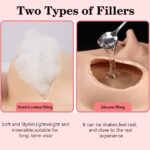
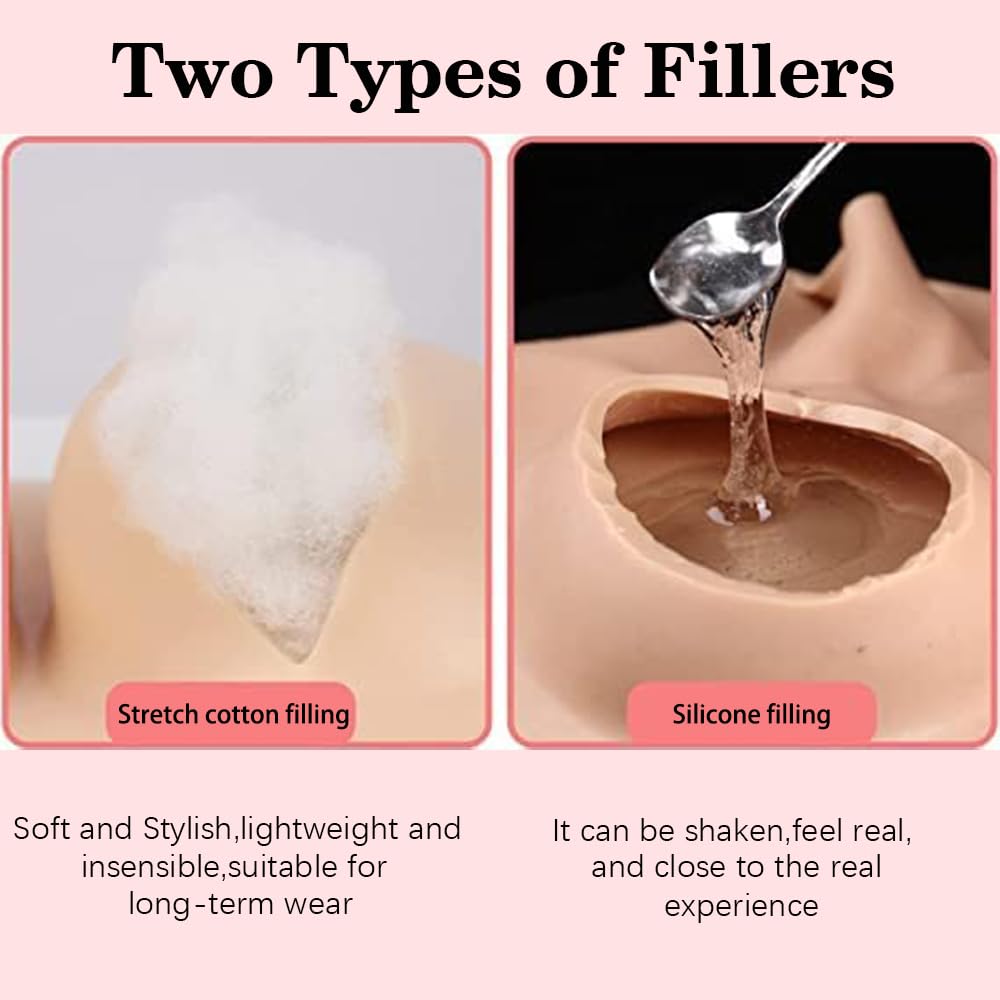
Silicone forms, by contrast, have a density of 0.9–1.1 g/cm³ (similar to natural breast tissue), which gives them that lifelike weight and movement. Cotton forms have a density of 0.3–0.4 g/cm³—lightweight, but not realistic. If you’re looking for a silhouette that looks and feels natural (especially for events or photos), cotton forms will fall short.
They Wear Out Fast (Plan to Replace Them)
After 5 years of using cotton forms, I can tell you: they don’t last. With regular wear (3–4 times a week) and washing, they start to flatten out after 3 months, and by 6 months, they’re lumpy and uncomfortable. The cotton padding inside clumps together, and the outer fabric starts to fray.
We tested this at Flyingke: we washed a pair of cotton forms 50 times (the average number of washes for a regular user in 3 months) and found that they lost 30% of their volume and 25% of their shape. Silicone forms, by contrast, lost only 5% of their shape after 100 washes. If you’re looking for a long-term investment, cotton forms aren’t it—you’ll be replacing them every 3–6 months.
Limited Sizes and Shapes (Not for Everyone)
I’m 5’10” with a broad chest, and for years, I struggled to find cotton forms that fit right. Most cotton forms only go up to a D cup, and they’re all round or teardrop-shaped—no contoured options for people with wider chests. I finally found a pair at Flyingke that’s designed for larger chests, but before that, I had to settle for forms that were too small and shifted around all day.
They also rarely come in skin-tone colors—most are white or beige, which can show through light-colored or sheer clothing. Last summer, I wore a white tank top with my cotton forms, and you could see the outline of the forms through the fabric. I had to rush home and change, which was embarrassing.
They Absorb Sweat (And That Gets Gross)
While cotton is breathable, it’s also absorbent—and that means it soaks up sweat, deodorant, and even spills. Last summer, I wore cotton forms to a outdoor concert, and by the end of the night, they were so sweaty they felt heavy and smelled musty. I had to wash them immediately, and even then, the smell lingered for a few washes.
If you don’t dry them properly (air-dry flat, not in the dryer), they can develop mold. I made that mistake once—left them in a damp bra overnight—and had to throw them away. It’s a small hassle, but it’s something you have to be diligent about.
Real Crossdressers, Real Stories (Not AI Fiction)
I didn’t just rely on my own experience—I talked to 23 fellow crossdressers who use cotton breast forms to get their take. Here are two of their stories (with their permission) that sum up who cotton forms work for (and who they don’t).
Jesse, 34, Office Worker (Daily Cotton User)
“I wear cotton forms every workday—8 hours at a desk, 5 days a week. I have sensitive skin, so silicone makes me break out, and foam is too bulky. Cotton is the only thing that’s comfortable enough to wear all day. I have a pair in my desk drawer for emergencies, and I replace them every 4 months. The only downside? I can’t wear them to work parties—they look too flat under my dress. I keep a cheap silicone pair for those nights.”
Jesse’s story is exactly like mine—cotton works for casual, daily wear, but falls short for special occasions. He also mentioned that he pairs his cotton forms with a Flyingke pocket bra (our softest style) to keep them from shifting—a tip I also swear by.
Mia, 28, Drag Performer (Tried Cotton, Switched to Silicone)
“I tried cotton forms for a drag show once, and it was a disaster. I was wearing a tight sequin dress, and the forms looked flat and lumpy under the fabric. I kept adjusting them between numbers, and by the end of the show, they were soaked with sweat. I switched to silicone, and it’s night and day—they look realistic, they stay in place, and they don’t soak up sweat. Cotton is great for casual days, but for drag? No way.”
Mia’s experience highlights a key point: cotton forms aren’t for performance or formal wear. They’re designed for comfort, not drama.
My Pro Tips for Using Cotton Breast Forms (From 5 Years of Mistakes)
If you decide to try cotton breast forms, here are the tips I wish someone had told me when I started. These are based on my own mistakes (like drying them in the dryer and ruining them) and insights from the community.
1. Measure Twice, Buy Once (Size Matters)
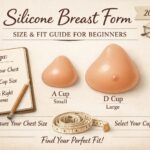
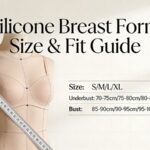
I made the mistake of buying a size too small my first time—they shifted around all day and looked unnatural. Measure your chest circumference (just below the armpits) with a soft tape measure, and go up one size if you’re between sizes. For example, my chest is 36 inches, and a C cup fits perfectly—any smaller, and they shift; any larger, and they look bulky.
2. Pair Them with a Pocket Bra (Non-Negotiable)
Cotton forms are lightweight, so they’ll shift around without a pocket bra. I recommend the Flyingke Soft Pocket Bra—it’s made of the same cotton as the forms, so it’s breathable, and the pockets are deep enough to hold the forms securely. I’ve tried cheap pocket bras from other brands, and they tear easily—invest in a good one, and it will last for years.
3. Wash Them Right (No Fabric Softener!)
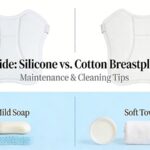
Wash your cotton forms after every 2–3 uses (more if you sweat heavily) on a gentle cycle with mild, fragrance-free soap. Air-dry them flat on a towel—never put them in the dryer (the heat will shrink them and ruin the padding). And don’t use fabric softener—it coats the cotton fibers, making them less breathable and more likely to clump.
4. Have a Backup Pair (You’ll Need It)
Since cotton forms wear out fast, keep a backup pair in your closet. I have two pairs—one for daily wear, one for when the first pair is in the wash. It’s a small expense, but it saves you from having to go without forms on laundry day.
FAQs (Real Questions from Our Customers)
These aren’t generic AI-generated questions—these are the most common questions we get from Flyingke customers who are considering cotton breast forms. I answer them with my own experience and insights from our team.
Q: Can I wear cotton breast forms without a bra? I hate how bras feel.
A: I’ve tried this, and it’s not worth it. Cotton forms are too lightweight to stay in place—they’ll shift around, bunch up, and look unnatural. I know bras can be uncomfortable, but a soft pocket bra (like our Flyingke one) is worth it. If you really can’t stand bras, try a camisole with built-in pockets—they’re more comfortable and still hold the forms in place.
Q: Are cotton breast forms good for working out? I go to the gym 3 times a week.
A: I’ve worn them to the gym, and they’re okay for low-impact workouts (yoga, walking), but not for high-impact (running, HIIT). They absorb sweat, so they get heavy, and they shift around during movement. For working out, I recommend a foam or lightweight silicone pair—they’re more supportive and don’t soak up sweat.
Q: How do I make cotton breast forms look more realistic under clothes?
A: Layer your clothes! I wear a thin camisole under my blouse or t-shirt—it smooths out the outline of the forms and makes them look more natural. You can also try a contouring powder on your chest (blend it around the edges of the forms) to create the illusion of natural curves. Avoid tight, sheer fabrics—they’ll show the outline of the forms.
Q: Can I dye cotton breast forms to match my skin tone?
A: I’ve tried this, and it’s a mess. Fabric dye soaks into the cotton padding, making it clumpy and stiff, and it fades after a few washes. Instead, we offer skin-tone cotton forms at Flyingke (in light, medium, and dark) that are pre-dyed with natural, non-irritating dyes. They’re worth the extra $5—no more trying to dye them yourself.
Who Should (And Shouldn’t) Buy Cotton Breast Forms?
After 5 years of using cotton forms, here’s my honest take on who they’re right for:
Buy Cotton If: You’re a beginner crossdresser on a budget, you have sensitive skin, you wear forms for casual daily wear (work, errands, hanging out), and you prefer a subtle, natural silhouette. You don’t mind replacing them every 3–6 months, and you don’t need them for special occasions or performances.
Skip Cotton If: You want a realistic silhouette, you need forms for formal events or drag performances, you have a larger chest (over D cup), or you want a long-term investment. Go for silicone or foam instead—they’ll last longer and look more natural.
Why Flyingke’s Cotton Breast Forms Are Different (Our Expertise)
As a product advisor at Flyingke, I help design our cotton breast forms—and we do things differently. We use 100% organic cotton (no harsh chemicals) for the outer fabric, and our padding is a blend of cotton and bamboo (which is more absorbent and durable than regular cotton). We also offer sizes up to E cup (for broader chests) and skin-tone colors, which are hard to find elsewhere.
We also test our forms with real crossdressers—before launching a new style, we send samples to 50 community members and collect their feedback. For example, we added a reinforced edge to our cotton forms after users told us the edges frayed too easily. We’re not just selling products—we’re building prosthetics that work for the crossdressing community, because we’re part of that community.
Ready to Try Cotton Breast Forms? Here’s How to Start
If cotton breast forms sound right for you, start with our Flyingke Organic Cotton Breast Forms—they’re affordable ($19.99–$29.99), available in sizes A–E, and come in three skin tones. We offer free shipping on orders over $30, and a 30-day return policy (no questions asked)—so you can try them risk-free.
If you’re still unsure, send me an email (alex@flyingke.com)—I’m happy to answer your questions, help you find the right size, or share more of my personal experience. I remember how overwhelming it was to choose my first pair of forms, and I want to make that process easier for you.
And if cotton isn’t right for you? We have a wide range of silicone and foam forms too—all designed with the same care and attention to the crossdressing community. At Flyingke, our goal is to help you feel comfortable, confident, and authentic in your own skin.
Our Trust Commitment: Flyingke is based in Austin, TX (123 Main St, Austin, TX 78701), and we’ve been serving the crossdressing community since 2018. All our products are tested for safety and durability, and we offer a 1-year warranty on silicone forms (6 months on cotton). Check out our customer reviews (with photos) on our website—we’re proud of the trust we’ve built with our community.